


The direct-to-consumer (D2C) e-commerce model is changing the way brands are interacting with their customers. This D2C e-commerce system is eliminating regular intermediaries.
This guide explains everything you need to build a strategy that focuses on your customers. It also gives you the steps to enable you to deal with customers.
A successful D2C strategy starts with owning your online presence through a professional, scalable website. Website builders allow you to create visually appealing, conversion-focused stores without the need for coding. Check out our recommended website builders to launch a D2C site that strengthens your brand and boosts revenue.
Launch Your D2C Brand Website with Top Builders
| Provider | User Rating | Recommended For | |
|---|---|---|---|
 | 4.6 | Beginners | Visit Hostinger |
 | 4.4 | Pricing | Visit IONOS |
 | 4.2 | Design | Visit Squarespace |
What is Direct-to-Consumer (D2C) E-commerce?
D2C e-commerce is a business model where brands sell products directly to end consumers. These brands are able to cut out third-party retailers and wholesalers by using their digital channels, and cut out the need for third-party retailers or wholesalers.
This approach changes how businesses interact with their customer base. It places them in charge of their supply chain.

The direct-to-consumer e-commerce model enables companies to manage their brand story. It also enables them to develop stronger relationships with their target audience.
This strategy has gained more popularity in recent times. D2C sales in the US have surpassed 213 billion dollars. This value should increase by 11% this year. This increase shows the changing consumer behavior and preferences.
Younger and more tech-savvy consumers are more prone to this trend. 42.5% of Gen Z consumers prefer to shop directly in online stores of specific brands. These clients appreciate the authentic personal experiences provided by direct relationships.
D2C vs. B2C: Understanding the Key Differences
The primary distinction between D2C and B2C (Business-to-Consumer) is distribution channels. B2C often depends on intermediaries. Conversely, D2C establishes a direct connection between the producer and the consumer.
Brands need to understand these differences to make informed decisions about their marketing plan.
The table below highlights the differences:
| Feature | B2C | D2C
|
| Distribution | Uses middlemen like wholesalers and retailers | Sells directly through branded websites and social media |
| Brand Control | Limited control over messaging and customer experience | Full control over brand identity and messaging |
| Customer Data | Relies on retailer data; limited direct access | Full access to first-party customer data for insights |
| Profit Margins | Lower due to middlemen costs and fees | Higher potential by eliminating intermediaries |
| Speed to Market | Slower due to complex supply chain | Faster and more active in responding to market trends |
Retail partnerships often restrict brands from presenting their products. These partnerships limit how manufacturers interact with customers. Retail stores are in control of the whole customer journey. This control leaves brands with less insight into how consumers behave.
However, the direct-to-consumer approach changes how everything works. It gives brands direct access to customer feedback. They can also check the patterns in customers’ purchases and preferences.
This information allows businesses to use more targeted marketing strategies and product creation decisions.
Top 5 Benefits of a Direct-to-Consumer (D2C) Business Model

Your business can gain many benefits from using the D2C approach.
1. Complete Control Over Brand Reputation and Customer Experience
When brands sell services directly to consumers, they are able to manage every touchpoint. Companies can ensure the same engaging brand story throughout the whole customer journey.
Traditional retail channels can’t achieve this level of customization. This is because many stakeholders influence the customer experience.

Think about how custom packaging makes your brand values stronger. Your ability to control every e-commerce fulfillment allows you to build stronger customer relationships. This way, you can encourage them to keep coming back for more.

Namecheap
2. Direct Access to Valuable Customer Data
First-party data collection is one of the major benefits of the direct-to-consumer approach. Brands can gather insights without intermediaries filtering information. They can learn more about customer behavior, preferences, and feedback patterns.
Understanding which products a specific customer base likes allows planning. This information enables you to make the right decisions about product development. You also know how to manage your inventory and marketing efforts.
Analyzing your online orders gives you real-time insights into what products are trending. You also know which product sells during different seasons and what they prefer. This way, your brand can stay ahead of market changes.
3. Improved Profitability

Retail partnerships often share margin splits. This split reduces how much profit manufacturers earn.
You are in control of the pricing structures when you reach consumers directly. You don’t need to accept wholesale pricing structures or retailer markup demands. This ease enables you to set more competitive prices and increase profit margins.
In addition, you are able to test different price points and advertising strategies. These tests help you learn more about how prices and the market change. Selling directly makes it easier to inform consumers about value propositions.
4. Faster Speed to Market
Product development becomes faster when target customers can test new ideas directly. D2C channels allow brands to release limited products and gather customer feedback.
The connection removes the need to go through the complex processes of retail approval. Brands don’t have to wait for shelf space to become available. In addition, brands are able to confirm demand and identify potential issues. This will help them know whether to increase production.
5. Build Stronger Customer Relationships
Customer service interactions create opportunities to strengthen your brand values. They also show that you pay attention to satisfying customers.
Brands like Chubbies treat customers like friends to build loyal communities. This approach makes one-time buyers actively promote products to their networks.

Direct connection through social media platforms and email marketing creates long-term engagement. This engagement adds to higher customer lifetime value. It also prevents businesses from relying on paid advertising for growth.
Building Your Winning D2C Strategy: A Step-by-Step Guide
You need a solid business strategy to use the D2C e-commerce model effectively. Let’s look at the steps to build this strategy.
Building Your Digital Storefront: The Foundation of E-Commerce
Your website is the center for any D2C operation you will use. This is where you will display your products and process sales effectively. Hence, you need to build a professional website for your business. But you must first choose a platform that can help your business grow.
Beginners can take the easy path by using the best website builders for quick development. You can start with simple and affordable options like Hostinger and IONOS.
Then, you can proceed to e-commerce platforms like Shopify for more advanced needs. You can also use WordPress to get more customization options. Both offer features for managing inventory and grouping customers. They are also helpful for marketing automation.

Apart from choosing a platform, you must make sure it uses the best web hosting service. This will ensure your site is fast, safe, and reliable for a smooth experience.
Also, building an e-commerce website depends on different elements supporting your business strategy. Your product descriptions should show what your brand represents. It should also provide all the information needed to buy the products.
Mastering the Customer Experience
Mobile commerce keeps growing around the world. This makes it necessary to create a mobile-responsive website design. You should also include social proof elements on the site. They include customer reviews and user-generated content. These elements will help you build trust among potential buyers.
Improve your checkout process to reduce cart abandonment and boost conversions. You should include features for guest checkout and multiple payment methods. Your site should also show clear shipping information to reduce issues.
Test different checkout processes to see which one is suitable for your specific audience. Adjusting minor things on the website can impact your conversion rates and income. Try changing things like your button placement, form design, or trust signals.

Upload high-quality photos and videos of products to help customers understand your offerings. High-quality visuals can make it feel like they checked the product physically.
Developing a Customer-Centric Marketing Plan
Email Marketing is the main support for many successful D2C strategies. Sending regular newsletters and exclusive offers helps you to keep customers engaged. Email tools like Kit (formerly ConvertKit) enable you to send personalized messages to customer segments.

Your email marketing strategies should focus on providing value to customers. You can build stronger customer relationships by offering behind-the-scenes clips. Even educational content and customer success stories will create stronger connections.
In addition, social commerce uses social media platforms to build brand awareness. You can get shopping features on platforms like Instagram, Facebook, and TikTok. These features allow customers to buy items without leaving the app.
Also, SEO helps to capture shoppers who start their journey on search engines. You only need to use relevant keywords on your product pages and blog content. This way, you can use SEO for e-commerce to match customer search queries.
Your marketing plan should also include influencer marketing partnerships. Partnerships with creators make your brand look more credible. They also help you reach a wider audience.

The Importance of Custom Packaging and Fulfillment
Your e-commerce packaging is a crucial marketing tool. It improves the unboxing experience and strengthens your brand story. Every package you deliver is an opportunity to create a moment that customers will never forget.
Your product packaging must be strong enough to withstand long-distance delivery. Many environment conscious consumers will prefer eco-friendly packaging. This packaging also shows your brand’s commitment to a safe environment.
Managing your inventory and order fulfillment gives customers positive experiences. This makes them loyal to your brand. Avoid late deliveries or damaged products so you don’t damage your brand reputation.
You should try hiring a third-party logistics (3PL) company for your D2C strategies. Partnering with this company helps your business grow. You also get to become an expert without spending on a warehouse.

Using fulfillment centers near your target market can lower shipping costs. It also enables faster delivery to put your brand ahead of the competition.
Navigating the Challenges of D2C
The D2C approach gives you greater control and higher profit margins. However, it also comes with its own set of challenges.
Tackling High Customer Acquisition Costs

Most industries are now dealing with higher Customer Acquisition Cost (CAC). It can cost up to $377 to win one customer in competitive fields like electronics. This challenge requires you to plan your strategy and focus on long-term customer value.
Use the following mitigation strategies to manage acquisition costs:
- Focus on customer retention and build a brand community. This will encourage customers to buy again and increase lifetime value over time.
- Run abandoned cart email campaigns to recover the sales you may have lost. This will help you get more conversions from your existing traffic.
- Try untapped marketing channels and retargeting campaigns. This will help you find more affordable sources of new customers.
A loyal brand community creates natural marketing opportunities. It enables you to reach customers through word-of-mouth marketing and user-generated content. Satisfied customers talk about your brand. This results in reducing how much you depend on paid advertising channels.
Use loyalty programs to give rewards for repeat purchases. These programs will also provide valuable data about what customers prefer and their buying patterns.
Scaling Operations and Technology
One of the biggest challenges of D2C brands is growing their operations. You must first integrate your CRM, inventory management, and order processing. This will streamline your workflow and improve customer experience.
Expanding into international markets makes tax compliance, shipping, and customer service more difficult. This is why you need the right e-commerce platform to support your growth plans.
You also need automation tools to manage increased order volumes. These tools include chatbots, inventory management systems, and automated emails. They will also handle customer inquiries while reducing the amount you spend on labor.
Inspiring D2C Brands and Their Winning Formulas
Some examples show the common factors that made D2C brands succeed:
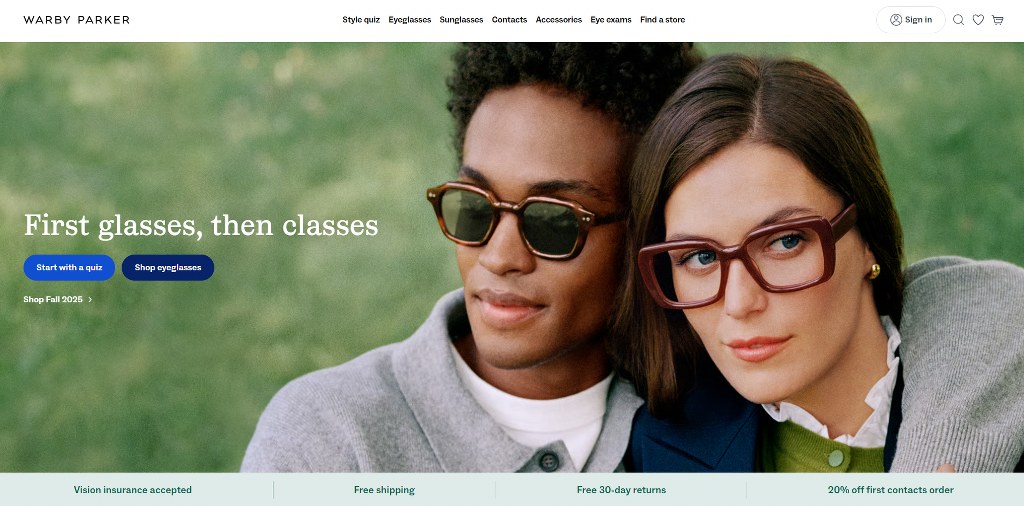
- Warby Parker: offered a home eyewear try-on program. This program tackled the main barrier to buying glasses online. The company’s approach made stylish glasses affordable and easy to access. The company’s success shows how you can stand out by addressing customer pain points.
- Dollar Shave Club: uses a subscription-based model for razors to grow a billion-dollar brand. It supported this approach with a viral, humor-filled marketing video. This video shows that a real brand personality can reach more customers. Their model made it possible to predict revenue while meeting a recurring customer need.
- Allbirds: focused on core value propositions to build a loyal following. The company created simple, sustainable, comfortable shoes from natural materials. This focus attracted environmentally conscious consumers.


The brand’s success shows how you can build stronger customer relationships with clear positioning and consistent messaging.
Conclusion
The D2C e-commerce model gives brands full control over their profit and customer relationships. But you must invest in the right tools, marketing channels, and customer experience.
This will enable you to build real connections to achieve success. Most importantly, you will be able to build a lasting customer relationship.

Next Steps: What Now?
Follow these practical steps to use a D2C approach:
- Identify your customer’s pain points.
- Create a product that addresses these pain points.
- Build a reliable website.
- Develop a marketing plan that focuses on consumers.
- Use social media to engage with your customers.
- Improve your content for SEO ranking.
- Send emails to update customers.
- Partner with influencers to increase your reach
- Offer discounts and promotions to attract customers.
- Introduce tools that will support your business as you grow.
Further Reading & Useful Resources
Here are more resources for you:
- Retention Marketing: Explore ways to retain your customers for future sales.
- How to Sell Meat: Check out this D2C guide to sell meat directly to consumers.
- Relationship Selling: Learn how to form connections to boost your sales.
- Become a Brand Strategist: Learn how to become a strategist to shape your brand’s identity.
- Post-Purchase Emails: Explore the types of emails that will make customers come back.

